Biohazard Cleanup
Contaminated materials removed, surfaces disinfected, odor treated and waste hauled away from your property.
Learn more →Ohio · Summit County
Where do you turn after a traumatic event at a home or business in Silver Lake, OH? Get biohazard cleanup services around the clock, including homicide cleanup, vehicle cleaning, needle pickup and biohazard waste removal. Call (877) 812-4220.
If anyone is in danger, call 911 first. For a suicide crisis, call or text 988.
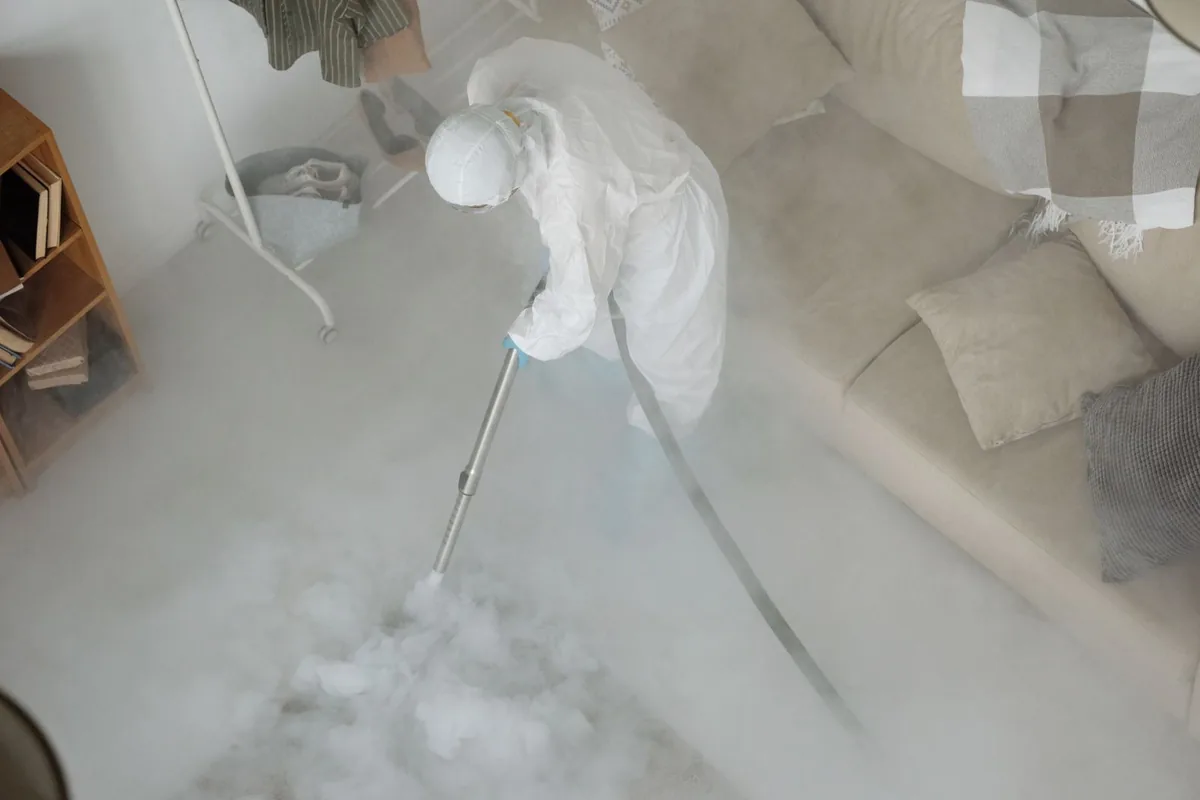
Some messes cannot be handled with a mop and household cleaner. Blood, bodily fluids and decomposition soak into porous materials and can carry disease, which is why Silver Lake property owners call Silver Lake Biohazard Cleanup Help for biohazard cleaning.
Waiting makes biohazards harder to remove, because fluids keep soaking into flooring and odor keeps spreading through the home. Call at any hour, and a cleanup specialist will explain the next steps for Silver Lake and the rest of Summit County.
Older adults make up about 27% of residents in Silver Lake, above the Ohio average, so families here more often face estate cleanouts and death cleanup after a loved one passes. With roughly 2,515 residents, Silver Lake is a small community, and biohazard cleanup is available here the same way it is in a big city.
Blood and bodily fluids can carry bloodborne pathogens, even after they dry. That is why biohazard cleaners follow OSHA's Bloodborne Pathogens Standard, 29 CFR 1910.1030, and put on gloves, respirators, boot covers and disposable suits before they enter the affected area.
Hard surfaces get deep cleaning and a hospital-grade disinfectant from the EPA-registered list. Porous materials such as carpet, padding, mattresses and drywall that hold contamination are cut out and removed, because they cannot be made safe by wiping.
These are the biohazard cleanup services you can get in Silver Lake and nearby parts of Summit County. Not sure which one applies? Call (877) 812-4220 and describe what happened.
Contaminated materials removed, surfaces disinfected, odor treated and waste hauled away from your property.
Learn more →Cleanup after violent crimes, break-ins and assaults, using protective gear and EPA-registered disinfectants.
Learn more →Trauma cleaners remove blood, bodily fluids and odor after injuries, violent events and sudden emergencies.
Learn more →After death cleaning for families, landlords and estates, handled quietly and with care.
Learn more →Compassionate cleaning after a loss, with keepsakes set aside and the room returned safe.
Learn more →Homicide cleaners remove contaminated materials, disinfect every affected surface and prepare records for insurers.
Learn more →Blood clean up service with protective gear, EPA-registered disinfectants and sealed disposal of contaminated waste.
Learn more →Bodily fluid cleanup for blood, vomit, urine and feces, with disinfection and safe waste disposal.
Learn more →Waste cleanup after neglect, illness or a long absence, handled privately and without judgment.
Learn more →Removes soaked materials, disinfects and neutralizes odor in homes, rentals and vehicles.
Learn more →Respectful hoarder cleaning that clears exits, sorts belongings with you and cleans every room.
Learn more →Hoarding junk removal that protects valuables and papers before anything leaves the home.
Learn more →Ammonia odor, urine and feces cleaned from floors, walls and air after animals are removed.
Learn more →Hoarding and filth cleaning that restores a home for living, repairs or a new tenant.
Learn more →Category 3 cleanup with protective gear, sealed disposal and EPA-registered disinfectants.
Learn more →Commercial decontamination services for offices, restaurants, schools, gyms and care sites after illness.
Learn more →Cleaning first, disinfecting second: a careful process that targets the germs, not only the stain.
Learn more →Medical waste removal: sharps, soaked dressings and clinical waste packed, sealed and hauled away.
Learn more →Needle and sharps cleanup: syringes found, collected with tools and disposed of in sealed containers.
Learn more →Safe removal of sharps and drug use items, with disinfection and odor treatment afterward.
Learn more →Testing, removal, cleaning and retesting for properties where meth was made or heavily used.
Learn more →Careful fentanyl cleanup that avoids dry sweeping, controls dust and seals contaminated waste.
Learn more →Chemical spill cleanup with containment, decontamination and records for insurers, buyers and inspectors.
Learn more →Fuel, solvent and chemical spill cleanup for homes, farms, shops and fleet yards.
Learn more →Careful tear gas removal that protects people and pets and documents the work for insurers.
Learn more →Rodent infestation cleanup after pest control, with odor removal and sanitizing of the affected area.
Learn more →Histoplasmosis-aware cleanup with respirators, HEPA filtration and sealed disposal of guano.
Learn more →Dead animal removal from walls, attics, crawl spaces and vents, with disinfection and odor treatment.
Learn more →Biohazard car cleaning for blood, vomit and body fluids, with disinfection and safe waste disposal.
Learn more →Discreet blood cleanup after an accident, so the space can reopen safely.
Learn more →Discreet after-hours service with unmarked vehicles, sealed work areas and regulated waste hauling.
Learn more →House cleanout and hauling for estates, landlords and out-of-town families after a loss.
Learn more →A technician looks for every source of contamination, including areas the eye misses, such as under flooring and inside vents. The type of biohazard sets the method.
The crew takes photos and notes of the affected areas and the work done. Homeowners insurance companies, landlords and compensation programs often ask for these records.
Contaminated materials come out, surfaces are cleaned and disinfected, and the waste is packed for lawful disposal.
Odor and surface checks confirm the result, then biohazard waste is removed from the property under medical waste rules.
OSHA bloodborne pathogen protocols, full PPE, EPA-registered disinfectants and lawful biohazard waste disposal on every job.
Cleanup technicians know families may be grieving. They keep conversations short, kind and free of judgment, and they treat belongings with care.
Hoarded homes, neglected rentals and difficult situations are treated with dignity. The only goal is a safe, clean space again.
At crime and death scenes, work waits for law enforcement or the investigator to release the property. Nothing is disturbed before that.
Biohazard cleanup in Silver Lake, OH typically costs $500 to $25,000, depending on the type of biohazard, the size of the affected area and how far fluids soaked into porous materials.
Most residential jobs cost $3,000 to $5,000 (Fixr). Biohazard cleanup costs depend on the type of biohazard, the size of the affected area and how far fluids soaked into porous materials. Pricing is set after an on-site assessment, and homeowners insurance often covers a large share.
| Type of job | Typical range |
|---|---|
| Blood spill cleanup, small area | $500 - $2,500 |
| Crime scene cleanup, most homes | $1,500 - $7,500 |
| Unattended death cleanup | $2,000 - $7,000 |
| Suicide cleanup | $1,500 - $5,500 |
| Sewage cleanup, most homes | $2,000 - $10,000 |
| Hoarding cleanup, level 3 home | $2,000 - $5,000 |
| Meth lab cleanup, typical | $15,000 - $20,000 |
Estimates only, not a quote. Sources: Fixr, Yelp Costs, BioCleaners Directory, PushLeads, Dropcurb, Bob Vila and cleanup company cost guides. Call (877) 812-4220 to talk through the job.
Offices, shops, churches and other public spaces may need cleanup after an injury, illness outbreak or break-in. The work is planned around staff, customers and reopening dates.
Failing septic systems and sewer backups push raw sewage, a Category 3 biohazard, into homes. Sewage cleanup removes contaminated materials and disinfects every surface.
Homes, churches and businesses may need infectious disease disinfection, needle and sharps cleanup, or meth lab and fentanyl decontamination after a property is released.
Falls, power tool injuries, farm and industrial accidents and car crashes can leave blood and tissue behind. Accident scene cleanup removes the trace so the space can be used again.
Summit County has a Relatively High river flood risk rating from FEMA. Floodwater mixes with sewage, and anything it touches needs full biohazard cleaning, not just drying.
Attics, barns and sheds can hold droppings, guano and carcasses that carry disease. Careful removal and disinfection protect the people who go back in.
Knowing the basic types and job sizes makes the first phone call easier. Describe what happened and where, and a cleanup specialist can tell you which category the job likely falls into.
Only what cannot be made safe. Porous items such as carpet, padding, mattresses and upholstered furniture that soaked up fluids are usually removed. Hard surfaces and many belongings can be cleaned and disinfected instead.
Yes. You can expect unmarked vehicles, quiet work and no discussion of the job with neighbors. Family members are not asked to see or handle anything.
It varies by the germ. Hepatitis B can survive on surfaces for at least seven days, and other pathogens last for different periods. Because nobody can tell by looking, all blood is treated as infectious until it has been properly disinfected.
Symptoms such as stomach pain, vomiting and diarrhea can begin within a few hours to a few days after contact with raw sewage, depending on the germ. Sewage is a Category 3 biohazard, so it should be cleaned by a crew wearing protective gear, and anyone with symptoms should see a doctor.
Many jobs are priced by the scope of the work rather than as one simple hourly rate. The type of biohazard, the size of the area, the materials removed and waste disposal set the total. Ask the cleanup team how the cost is worked out.
A few drops from a small cut can sometimes be cleaned up by a careful person wearing gloves, with disinfectant on hard surfaces. Larger amounts, anything on porous materials, or fluids from another person are best left to a cleanup crew.
They can. About 86% of homes in Silver Lake were built before 1980, and older carpet, subfloor and trim absorb fluids deeply. The crew inspects each home to see how far the contamination went.
Yes. Silver Lake has about 2,515 residents, and the same biohazard cleanup services are available in Silver Lake and across Summit County. Call (877) 812-4220 to talk through the job.
The service area reaches from Silver Lake to Akron, Munroe Falls and Stow. Whichever town the property is in, the process and the protective standards stay the same.
Crews work in unmarked vehicles, so the job stays private.
Call (877) 812-4220